


ICDBG vs. IHBG Competitive: What Tribes Should Know
ICDBG and IHBG Competitive are different funding tools. Learn why the right choice begins with the project and the current funding notice.
What Makes an IHBG Competitive Application Competitive?
IHBG Competitive applications are stronger when the housing project, budget, schedule, capacity, and supporting evidence form one credible implementation plan.

What Makes an ICDBG Application Competitive?
A competitive ICDBG application connects community need, project readiness, cost, implementation, and supporting documentation into one clear application.

When Should a Tribe Procure a Grant Writer?
If outside grant-writing help may be needed, waiting for the NOFO can be too late. Learn what to consider when procuring grant-development services.

Eligible Isn't the Same as Competitive: Building a Smarter Grant Strategy
Most Tribes and TDHEs have more worthwhile projects than they have staff time or funding to pursue. When a new opportunity opens up, the first question is usually "Are we eligible?" A better question is "Is this the right fit for this project, right now?" The answer shapes everything that comes after.

Ready Before the NOFO: Lessons From DK Tribal's Funded ICDBG and IHBG Applications
Every funding cycle, some worthwhile projects go unfunded. Usually the writing isn't the problem. The trouble is that the project wasn't ready when the NOFO came out: the budget was still moving, the scope was still being debated, and the supporting documents were playing catch-up. The next round of opportunities is coming, so now is a good time to look at what separates a funded application from one that falls just short.

Building Capacity for Stronger Tribal Housing Programs
Capacity building takes many forms. For some programs, it means developing internal controls to prevent fraud and errors. For others, it’s about creating record-keeping systems that make audits painless.

Grant Compliance Beyond the Basics
Basic compliance like submitting reports, following procurement rules, and keeping records, is only the starting point for successful grants. Here are a few strategies that can turn compliance into capacity:

Important Changes to NOFO You Need to Know
The U.S. Department of Housing and Urban Development (HUD) has released the FY2025 Indian Community Development Block Grant (ICDBG) Notice of Funding Opportunity (NOFO) and this year’s version delivers meaningful modernization.

Practical Tools to Ensure Davis-Bacon Compliance
Davis-Bacon compliance protects both workers and programs, but it can be challenging to manage across multiple projects. Here are three essential tools to stay audit-ready:

Federal Compliance for Tribal Programs Made Easy
How DK Tribal helps tribes navigate HUD and 2 CFR 200 compliance with practical tools and expert support.

3 Tips For Improving Your Tribal Grant Strategy
Discover how strategic grant planning helps tribal nations secure funding and achieve long-term community impact.
Surprising Changes for Tribal Housing FY2025 Explained
HUD’s IHBG Competitive NOFO for FY 2025 introduces major changes to accountability, project scoring, newcomer access, and paperwork. Learn what Tribes and TDHEs need to know to compete for housing funds.

Meet the President: Kash Parks
I was born and raised in Seminole, Okemah, and Prague, Oklahoma — small towns steeped in community spirit, resilience, and timeless values rooted in family and service.
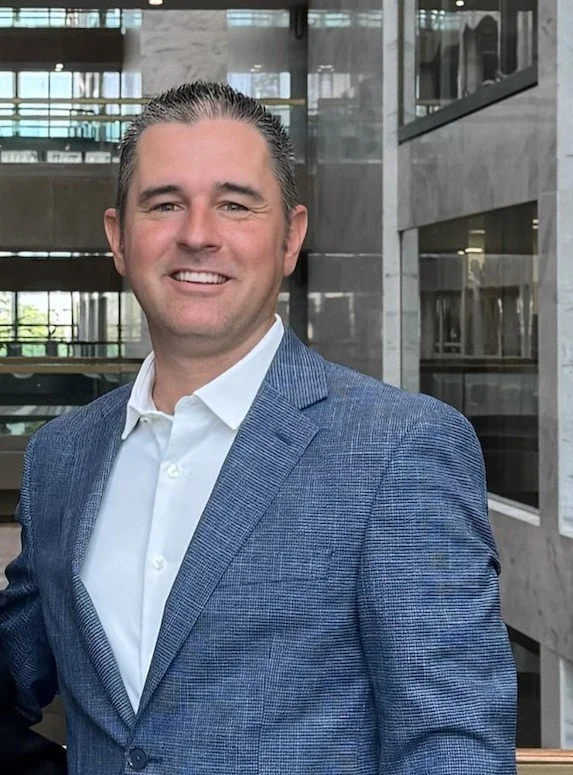
Meet the CEO: Daniel Celaya
My name is Daniel Celaya, and I’m a seasoned public administration professional, U.S. Army veteran, and co-owner of a Tribal Grant Consulting business focused on empowering Tribal nations and underserved communities.